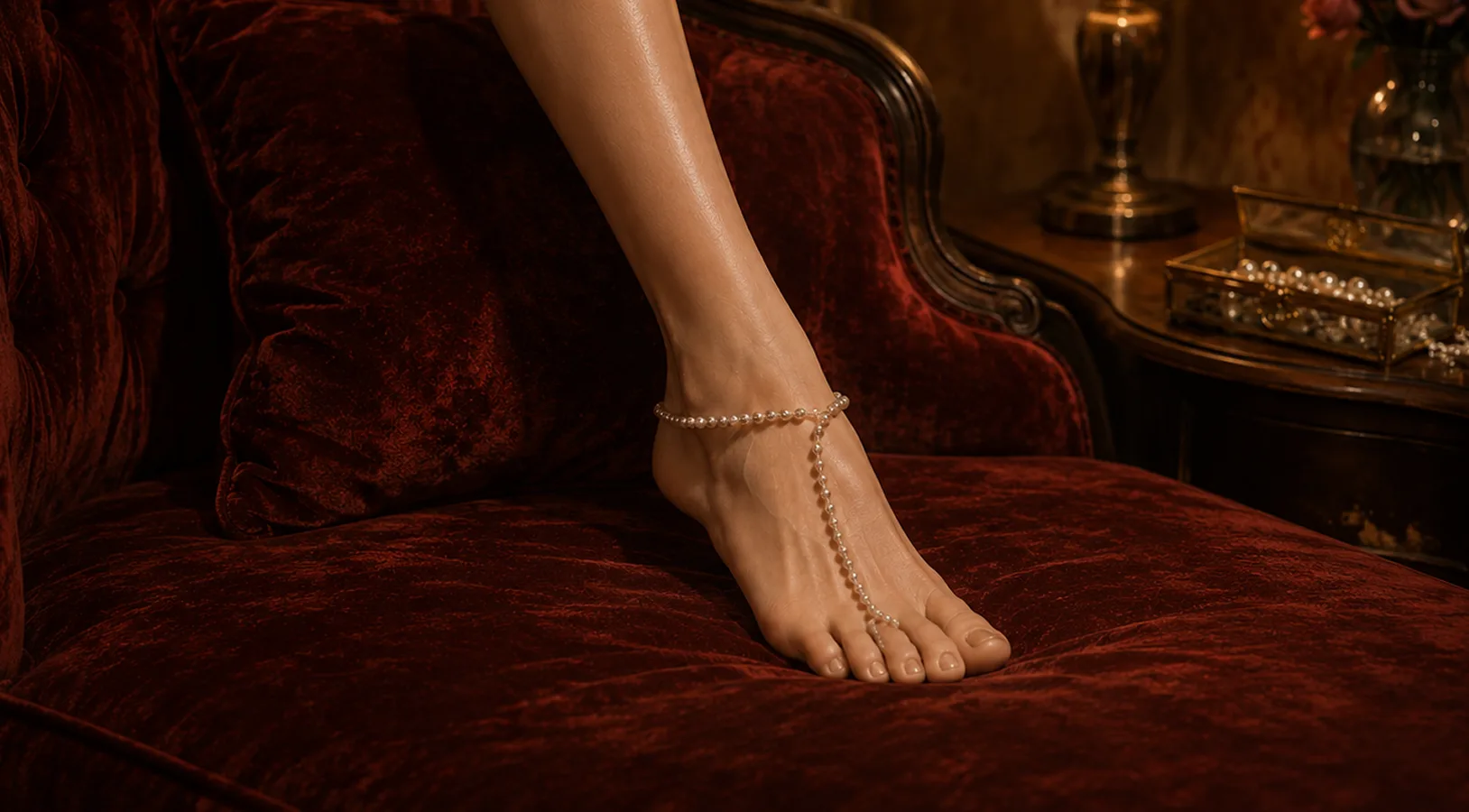
A fragment invites us to slow down. Separated from a complete figure, a curve, a gesture or a carefully observed detail becomes the centre of attention. There is less to look at, yet often more to notice.
Let the form lead
Begin with the silhouette. Look at the outline from a distance before moving closer to its surface. A change in angle can reveal a different rhythm: a continuous curve becomes a series of small transitions, while a strong profile softens when seen from the front.
This is part of the pleasure of living with a sculptural object. It need not reveal everything in the first encounter. The same piece can hold your attention differently as your viewpoint changes.

Notice the light
Light shapes the reading of a surface. Gentle light from the side can bring out subtle contours, while more even illumination makes the overall form easier to read. Try viewing a piece in different positions before deciding where it belongs. Follow its specific care instructions when choosing a location, especially around direct sunlight and heat.

Give detail room to breathe
A quiet setting allows small details to become visible. Rather than surrounding a piece with competing objects, consider leaving space beside it. The empty area becomes part of the composition, giving the eye somewhere to pause.
A fragment does not need to explain an entire story. It can offer an opening: a suggestion of movement, a study of proportion, or simply a form that rewards another look.